There is more science available to cancer patients than what one care team can keep up with. New diagnostics, treatments, trials, and suppliers keep emerging, and when standard of care runs out, patients are usually left to figure out what else might be possible on their own.
Future of Cancer Care Today (FCCT) helps cancer patients and their families connect the dots. Our PhD-led team surfaces diagnostic and treatment options relevant to a patient's case, including those beyond standard of care, and finds vetted suppliers and providers who work beyond standard protocols. FCCT does not replace doctors or make treatment decisions. We create playbooks and curate resources to help families ask better questions, so they can walk into the next conversation with a fuller picture.
Free for patients.
GET IN TOUCH WITH US
A curated body of suppliers, clinicians, and research groups we have encountered through our work.
Listings are informational only. FCCT does not endorse, certify, or control these suppliers, and inclusion does not imply a referral or recommendation. Please verify details directly with the supplier and discuss any next steps with the patient’s care team.
SUPPLIERS AND CARE PROVIDERS
updated regularly
-
Services that preserve a patient's tumor tissue at biopsy or surgery for future testing, including therapies that may not yet exist at the time of collection.
SpeciCare (US). Patient-orderable.
StoreMyTumor (US, Europe). Patient-orderable.
Kernis Health (US). Patient-orderable. Even One Ventures company.
-
Tests that examine the molecular features of a tumor, including mutations, gene expression, proteins, and biomarkers, to help identify potential treatment targets. Usually performed on biopsy or surgical tissue.
Tempus (US). Physician-ordered.
Caris Life Sciences (US). Physician-ordered.
Foundation Medicine (US). Accepts international patients. Physician-ordered.
Boston Gene (US). Also includes immune microenvironment analysis. Accepts international patients. Physician-ordered.
Noetik (US). Whole-exome sequencing, spatial profiling, and IHC with raw data returned to the patient. Collaborate with patients.
Valius Sciences (US). Maximalist diagnostics adding single-cell and proteomic profiling. Patient-orderable. Even One Ventures company.
Protean BioDiagnostics (US). Comprehensive precision oncology testing with patient consultation. Patient accessible, physician-ordered.
Belay Diagnostics (US). CSF-based genomic profiling for brain and spinal cord tumors, useful when tissue biopsy is risky or unavailable. Physician-ordered.
CNSide Diagnostics (US). CSF circulating tumor cell capture with molecular profiling for leptomeningeal disease, often detecting cases that conventional cytology misses. Physician-ordered.
RGCC International (Worldwide). Blood-based circulating tumor cell molecular profiling for treatment guidance. Patient or physician-ordered.
Navignostics (Switzerland). Spatial single-cell proteomic tumor analysis from a single FFPE section. Physician-ordered through early-access partner program.
BC Cancer Personalized Oncogenomics Program (Canada). Referral pathway in Canada.
CeGaT (Germany). Tumor-normal comparison with patient-specific neoantigen identification. Physician-ordered.
OncoDNA (Belgium). Physician-ordered.
Hartwig Medical Foundation (Netherlands). Referral through participating Dutch hospitals.
Vicinity Bio(Germany). Ultra-high-plex spatial proteomic tissue imaging with AI-driven pathology reports and biomarker-based therapy guidance. Physician-ordered.
-
Tests that grow a patient’s tumor cells or tumor models in the lab and expose them to cancer drugs to assess which treatments may show activity.
Travera (US). Live-cell screening including immunotherapies. Physician-ordered.
First Ascent Biomedical (US). Live-cell drug response across 150+ FDA-approved therapies. Physician-ordered.
Kiyatec(US). Ex vivo 3D drug response testing focused on ovarian, breast, glioblastoma, and rare tumors. Physician-ordered.
Cure-First (US). Nonprofit offering organoid generation and drug screening of 47+ anticancer agents drawn from a 200+ drug library. Patient-accessible.
SageMedic (US). Physician-ordered live-cell functional drug testing for solid tumors, including rare cancers and cancers of unknown primary, using 3D microtumors to assess tumor-cell killing, growth inhibition, and drug-combination activity.
KYAN Technologies (Singapore/US).Live-cell functional precision medicine using proprietary AI to evaluate and rank 1,500+ personalized drug combinations. Physician-ordered.
CanCertain (UK). 3D cell-culture drug testing on tumor cells from blood-based circulating tumor cells, compatible with immunotherapy testing. Patient or physician-ordered.
2cureX (Denmark). Through hospitals in Denmark, Germany, Sweden, and the UK. Physician-ordered.
-
Blood-based tests that detect tumor DNA or other cancer-related signals to monitor disease over time, including residual disease, recurrence, and treatment response.
Adaptive Biotechnologies (US). FDA-cleared MRD test, for B-cell malignancies (multiple myeloma, B-ALL, CLL, DLBCL). Physician-ordered.
BillionToOne (US). Tissue-free treatment monitoring and genomic profiling. Physician-ordered.
Caris Life Sciences (US). AI-enabled whole-exome and transcriptome blood assay. Physician-ordered.
Foundation Medicine (US). Tumor-informed ctDNA monitoring developed with Natera. Physician-ordered.
Guardant Health (US). Tissue-free MRD and therapy response monitoring. Physician-ordered.
Labcorp (US). Tumor-informed MRD across solid tumors, launched January 2026. Physician-ordered.
Natera (US). Tumor-informed personalized ctDNA assay for solid tumors. Physician-ordered.
NeoGenomics (US). Personalized MRD across solid tumors. Physician-ordered.
Personalis (US). Whole-genome tumor-informed MRD. Physician-ordered.
Quest Diagnostics (US). Tumor-informed ctDNA test with limit of detection at 0.0006%. Physician-ordered.
Tempus (US). MRD and recurrence monitoring, powered by Personalis NeXT Personal Dx via partnership. Physician-ordered.
Veracyte (US). Whole-genome MRD for muscle-invasive bladder cancer (coming in H1 2026; acquired from C2i Genomics). Physician-ordered.
Belay Diagnostics (US). CSF-based monitoring of primary and metastatic brain and spinal cord tumors, including detecting recurrence and distinguishing pseudoprogression from true progression. Physician-ordered.
CNSide Diagnostics (US). Longitudinal CSF monitoring of leptomeningeal disease through circulating tumor cell quantification and tracking of molecular markers. Physician-ordered.
RGCC International (Worldwide). Blood-based circulating tumor cell counts over time for monitoring disease activity and treatment response. Patient or physician-ordered.
-
Tests that characterize a patient’s immune system and its interaction with cancer, including immune-cell types, immune activity, and T-cell or B-cell patterns that may inform immunotherapy discussions.
Personalis (US). Combines tumor sequencing with neoantigen prediction, TCR repertoire, and immune cell composition. Physician-ordered.
Adaptive Biotechnologies (US). FDA-cleared minimal residual disease assay for B-cell malignancies (multiple myeloma, ALL, CLL, DLBCL). Physician-ordered.
Arden Bio (US). Adds biology-matched immune therapy recommendations alongside tumor microenvironment profiling. Patient-orderable. Even One Ventures company.
Pathfinder Oncology (US). Bespoke immune profiling and analysis as part of personalized treatment-pathway work for advanced cancer, led by William Hoos. Patient-accessible.
Navignostics (Switzerland). Spatial single-cell proteomic profiling of tumor-immune cell interactions from a single FFPE section. Physician-ordered through early-access partner program.
-
Imaging and treatment approaches that use tumor-associated markers to locate disease, validate targets, or deliver targeted radiation. Examples include PSMA in prostate cancer and somatostatin receptors in neuroendocrine tumors.
New York Proton Center (US). Proton-beam radiation therapy for solid tumors. Patient-bookable through oncology referral.
Excel Diagnostics and Nuclear Oncology Center (US). Patient-bookable through oncology referral.
Johns Hopkins Theranostics Center (US). Referral through oncology consult.
Relit (US). Consult services for finding custom radioligand imaging agents with biomarker-targeted design. Patient-orderable. Even One Ventures company.
Princess Margaret Cancer Centre Theranostics (Canada). Referral pathway in Canada.
Curanosticum Wiesbaden-Frankfurt (Germany). Led by Dr. Richard Baum, with FAPI PET and investigational radioligand therapies. Patient-bookable through oncology referral.
University Hospital Essen Nuclear Medicine (Germany). Patient-bookable through oncology referral.
Royal Marsden Theranostic Centre (UK). Referral pathway in UK.
-
Therapies that train the immune system to recognize and attack tumor-specific proteins. Most cancer vaccines today are only accessible through clinical trial enrollment. The exceptions are largely on the peptide side: a handful of clinics and programs can deliver personalized peptide vaccines to patients who do not qualify for trials, while personalized mRNA vaccines remain almost entirely confined to sponsor-run trials. Practically, this means a peptide vaccine is more obtainable today.
Jaime Leandro Foundation (US). Personalized peptide vaccines through FDA Expanded Access (compassionate use) when no trial is available. Patient-orderable.
Invoke Bio (US). Modality-agnostic neoantigen design (peptide, DNA, mRNA). Patient-orderable.
CeCurio(Germany). Personalized peptide vaccines through CeGaT collaboration, with real-world survival data in glioblastoma. Patient-bookable in Germany.
Northwest Biotherapeutics (US, UK). Personalized autologous dendritic cell vaccine for glioblastoma and other solid tumors in clinical trials.
Immunocine (Mexico). Personalized dendritic cell therapy at a Cancun clinic for patients with stage IV solid tumors who do not qualify for US trials. Patient-bookable, self-pay.
Diakonos Oncology (US). Patient-derived dendritic cell therapy with trials underway in glioblastoma, pancreatic and melanoma. Trial enrollment.
Elicio Therapeutics (US). Lymph-node-targeted peptide vaccine against common KRAS mutations, in Phase 2 for pancreatic cancer. Trial enrollment.
UbiVac (US). Off-the-shelf vaccine targeting proteins from non-coding genome regions, with RNAseq-based screening for target expression. Clinical-stage with good data in head and neck cancer. Trial enrollment.
Moderna (US). Personalized mRNA neoantigen vaccines. Trial enrollment.
Houston Methodist Center for RNA Therapeutics (US). Academic mRNA vaccine program led by Dr. John Cooke. Trial enrollment as studies open.
BioNTech (Germany). Personalized mRNA neoantigen vaccines. Trial enrollment.
IO Biotech (Denmark). Off-the-shelf peptide vaccine targeting IDO and PD-L1. Trial enrollment.
Echo (US). Personalized mRNA vaccines designed and manufactured for individual patients. Patient-orderable. Even One Ventures company.
-
Therapies that use engineered immune cells (CAR-T, TCR-T), tumor-infiltrating lymphocytes (TIL), or antibodies to target cancer. Most are accessed through clinical trial enrollment; FDA-approved exceptions noted below.
Iovance (US). First FDA-approved TIL therapy for advanced melanoma, with several others in trials. Available at authorized treatment centers in the US.
UCSF Cancer Immunotherapy Program (US). Standard-of-care CAR-T for B-cell blood cancers and multiple myeloma; trials in solid tumors. Referral through oncology consult.
Stanford Center for Cancer Cell Therapy (US). Standard-of-care CAR-T for B-cell lymphoma; trials in melanoma, solid tumors, and inoperable brainstem gliomas, including pediatric DIPG. Referral through oncology consult.
Memorial Sloan Kettering Cellular Therapeutics Center (US). Standard-of-care CAR-T for blood cancers and trials in solid tumors. Referral through oncology consult.
CARTx Therapeutics (US). A Nationwide Children’s Hospital spin-off developing affordable, off-the-shelf CAR γδT cell therapies for solid tumors and blood cancers using healthy donor-derived polyclonal gamma-delta T cells.
Immatics (Germany). Engineered TCR-T targeting PRAME, expressed across many solid tumors. Trial enrollment.
DKFZ Heidelberg (Germany). Heidelberg cellular therapy hub running TCR-T, CAR-T, and bispecifics with on-site GMP cleanrooms. Dirk Jäger group; referral pathway in Germany.
Ranata Therapeutics (US). Patient-specific antibodies and T-cell engagers designed against an individual patient's cancer cell surface targets. Patient-orderable. Even One Ventures company.
-
Engineered viruses that selectively infect and destroy tumor cells while triggering an immune response. Access is currently via clinical trial enrollment.
Replimune (US, UK). Engineered HSV-1 oncolytic virus with BLA under FDA review for advanced melanoma; broader pipeline includes liver and other solid tumors. Trial enrollment in the meantime.
CG Oncology (US). Selective oncolytic adenovirus for BCG-unresponsive non-muscle invasive bladder cancer. BLA filing expected. Trial enrollment.
EpicentRx (US). Oncolytic adenovirus armed with a TGF-β trap (AdAPT-001), in trials across multiple solid tumors. Trial enrollment.
Candel Therapeutics (US). Adenoviral oncolytic combined with valacyclovir, with trials in prostate cancer, pancreatic cancer, and NSCLC. Trial enrollment.
-
Services that help patients and physicians identify relevant open clinical trials. Most use AI-driven matching against medical records or symptom profiles.
Picnic Health (US). Patient-accessible.
Massive Bio (US). Patient-accessible.
Antidote (US, UK). Patient-accessible.
ClinicalTrials.gov (US). Official US government registry of clinical trials worldwide; the underlying data source most matching tools draw from. Patient-accessible.
myTomorrows (Netherlands). Trial discovery plus expanded access program (compassionate use) coordination, supported by patient navigators. Active in nearly 50 countries. Patient-accessible.
Klineo (France). European trial coverage. Patient-accessible.
EU Clinical Trials Information System (CTIS) (EU). Official European Medicines Agency database of clinical trials in EU member states. Patient-accessible.
-
Patient navigation services, AI-driven tools, and care coordination resources to help patients and families understand their disease, find treatment options, and manage care over time.
Cancer Commons (US). PhD-led navigation plus an N-of-1 site-less observational study matching off-guideline FDA-approved drugs through the patient's own oncologist. Patient-accessible.
Center for Metabolic Oncology (US). Physician-led metabolic health optimization practice for cancer prevention, treatment support, survivorship, and surgical recover. Combines exercise, nutrition, sleep, stress, and ketogenic interventions as adjuncts to standard care. Led by Dr. Mark Kelley for cancer. Patient bookable.
Galen (US). AI-driven personal assistant for cancer patients covering trial finding, lab interpretation, appointment management, insurance coordination. Patient-accessible.
OpenCancerAI (US). Open cancer infrastructure and AI to reduce information asymmetry for patients. Patient-accessible.
Pathfinder Oncology (US). High-touch personalized treatment-pathway concierge service for advanced cancer. Patient-accessible.
Patient Advocators (US). Multi-disciplinary private patient advocacy firm offering specialist referrals, treatment navigation, and insurance/cost coordination across cancer and other complex conditions. Patient-accessible.
Private Health Management (US). High-touch patient guidance, specialist access, second opinions, and care coordination. Patient-accessible.
Sagely Health (US). Led by oncologist Jason Sager, MD, Sagely Health helps cancer patients and families make sense of evolving science, clinical trials, and treatment-access pathways. It offers a free, HIPAA-compliant clinical trial report, plus affordable individualized consultation with expert research, oncologist oversight, and patient advocate support. Patient-accessible.
Outperform Cancer (US). Patient-built educational website and podcast aggregating research on cancer vaccines, exercise oncology, dietary interventions, and other adjunctive strategies. Patient-accessible.
NAVEXIO(US, Canada, Global). High-touch precision oncology navigation and consulting combining molecular diagnostics expertise, clinical trial and drug access navigation. Patient-accessible.
-
Physicians and centers known for taking complex cases, considering off-guideline options, and supporting patients exploring beyond standard of care.
Asthra Health (US). Outside clinical opinion for complex cancer cases. Patient-bookable.
Sarcoma Oncology Center (US). Sarcoma-focused second opinions, clinical trials, and multimodal treatment planning. Patient-bookable.
Private Medical (US). Private Medical takes complex cases with attention to overlooked clinical angles. Patient-bookable.
Gustave Roussy (France). Europe's largest comprehensive cancer center, with a strong precision oncology program, large Phase I trials portfolio, and international referral pathway.
Docrates Cancer Center (Finland). Private cancer center in Helsinki serving international patients, offering integrated diagnostics, treatment, and follow-up under a personal care team model. Patient-bookable internationally.
SELF-SERVE PLAYBOOKS
updated regularly
Helping Patients Access, Preserve, Generate, and Use Their Cancer Data
Patients can usually access clinical notes and summary reports. Obtaining the underlying imaging, pathology, sequencing, and other test data is often more difficult. Some data and materials must be generated or preserved at a specific point in care, such as diagnosis, because they may be needed for later treatment decisions or to evaluate additional options.
FCCT has published a whitepaper on the legal and practical barriers to accessing and transferring health data. Draft forms help patients request their data or available tissue from hospitals, laboratories, and other providers and direct it to a chosen clinician, researcher, or other qualified recipient. We are seeking partners to refine and test the process. This is the first phase of a broader effort to help patients access, preserve, and use their health data throughout care.
Important to know.
Future of Cancer Care Today is not a medical provider. We do not diagnose, prescribe, or direct treatment. We provide a non-clinical support layer focused on information, education, and decision support, intended to complement your relationship with your care team. Some materials may be generated with the support of artificial intelligence and should be reviewed with your medical providers before informing any care decisions. All decisions regarding your care belong to you and your doctor.
Poornima Parameswaran, Ph.D.
Poornima is a scientist and entrepreneur whose work has focused on bridging the gap between scientific discovery and real-world impact. At Stanford University, she developed technology that increased scale and cut DNA sequencing costs by 50x, and taught the first course on the applications of genomics. She cofounded a genomics and AI company when her twins were one year old and led it from inception through acquisition. She was also diagnosed with multiple myeloma, which gave her a perspective on the healthcare system that no amount of scientific training could, and taught her firsthand what it takes to advocate for your own care when the system is not built to help you do that. Her work spans both for-profit and non-profit sectors; today she chairs the Strategy and Innovation Committee of the International Myeloma Foundation. She draws on her experiences as a scientist, entrepreneur, diagnosed patient, and parent, to inform and guide this work.
LinkedIn Profile →
Bayli DiVita Dean, Ph.D.
Bayli is a scientist and science communicator dedicated to improving the lives of those diagnosed with cancer. She developed her expertise in cancer immunotherapy research at the University of Florida and in translating complex scientific findings into accessible language during her time at the American Brain Tumor Association. Bayli was also a fellow at the National Institutes of Health, Office of the Director, through the American Association for the Advancement of Science Science and Technology Policy Fellowship, where she addressed policy needs related to incorporating the public into clinical research and bioethical issues. Inspired by her mother's diagnosis with metastatic colon cancer, she now applies her caregiving, scientific, and communication expertise to provide information and compassion to clients of FCCT.
LinkedIn Profile →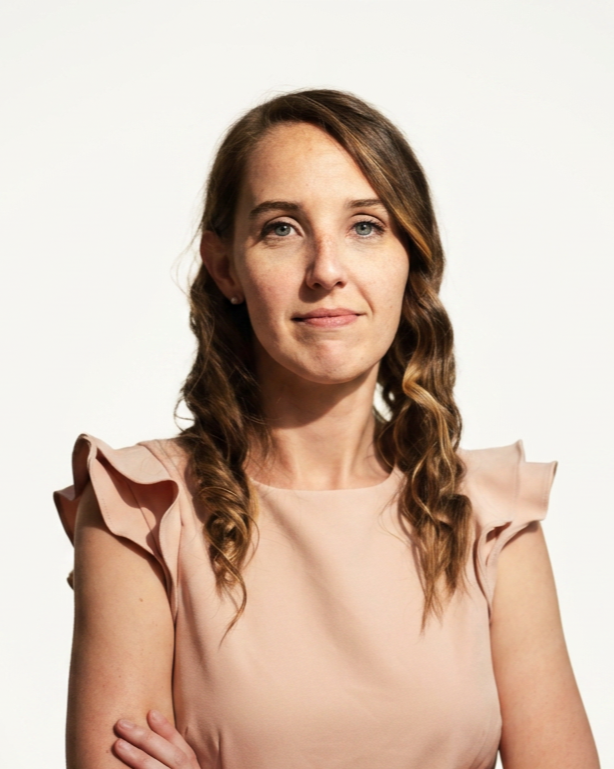
Donnia Robins, MSc.
Donnia is a scientist with training in chemistry, public health, and pharmaceutical sciences. Before joining FCCT, she was an Early Stage Researcher in the AGePOP consortium, an EU Horizon 2020 program focused on medicines for special populations, including older adults. At FCCT, Donnia supports patient case research, resource mapping, and preparation of educational materials for patients.
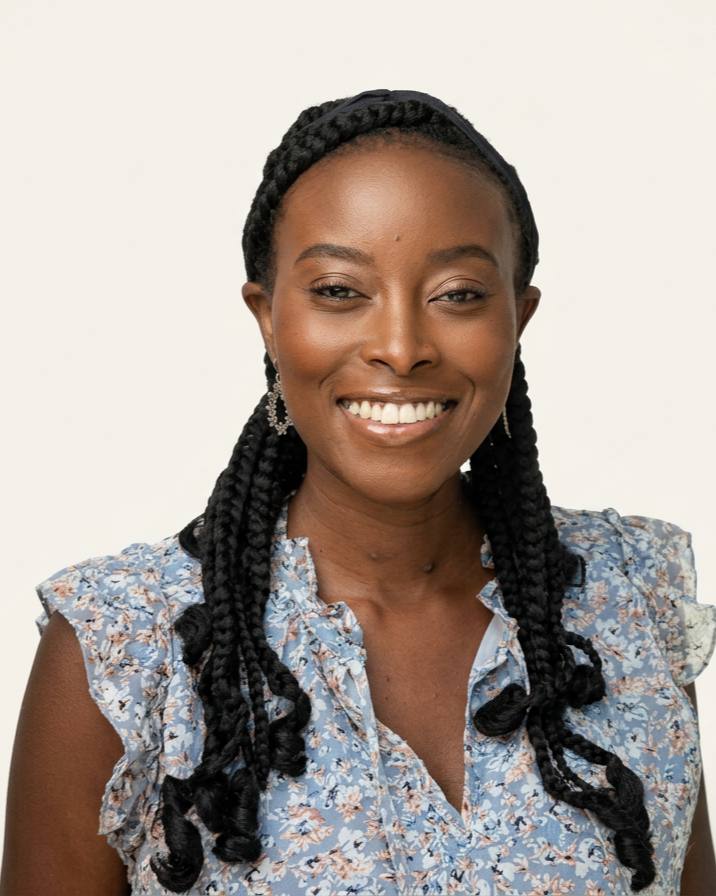
Nekco Kelly, BSc.
Nekco is a scientist with a background in chemistry, biology, clinical research, and regulatory compliance. Before joining FCCT, he worked as a Research Coordinator at a biomedical research foundation, where he supported studies in veteran emergency care and subclinical hypothyroidism. At FCCT, Nekco supports patient case research, resource mapping, and preparation of educational materials for patients.
Work with us.
If our work could be useful to you or your community, please reach out. There is no cost to patients or families for our help.
Whether you are newly diagnosed, facing progression, or trying to figure out what comes next, we may be able to help you think more clearly about the path ahead.
If you are working in diagnostics, therapeutics, personalized medicine, or health technology, and believe patients need better support navigating complexity, let's talk about how our work could complement yours.
Future of Cancer Care Today is incubated by the Sijbrandij Foundation, and grew out of Sid Sijbrandij's cancer journey and lessons learned from the many other patients and families we work with.