
FUTURE OF CANCER CARE TODAY

We help patients and caregivers explore beyond standard of care.
What is possible in cancer care outpaces what most patients access.
Many patients are not aware of the full range of diagnostic and therapeutic options for their cancer. Some have been available for years. Others are at the leading edge.
Drugs already approved for your cancer or related cancers. Expanded gene panels, beyond what your treating team may have ordered. Second opinions at major academic centers.
Clinical trials, single-patient INDs, expanded access programs. Open-minded physicians willing to operate beyond standard protocols. Tumor-informed ctDNA and other specialized monitoring.
Personalized therapeutics (mRNA vaccines, antibody-drug conjugates, cell therapies, targeted radioligands). Patient-initiated research collaborations. Advanced single-cell and functional analysis.
From self-serve reading to more sustained support.
FCCT is not a medical concierge. We map options non-exclusively, don't coordinate care, and are open source. Most families start with the public resources; some need direct case help. Our body of work grows over time as we learn what families need.
Read at your own pace, share with your treating team. Open access, continuously expanding.
- Playbooks: finding open-minded physicians, building tumor boards, structuring treatment ladders, navigating trials and expanded access.
- Partner lists: who delivers what, at what cost, with what evidence.
Reach out with a focused question on a specific partner, finding, or decision.
For families navigating active complex decisions.
- Research synthesis: reading molecular reports across platforms, surfacing options for the treating team, finding trials and access pathways.
- Partner awareness: suppliers, physicians, research groups, and support services when there's a likely fit.
A connective layer for clinicians, suppliers, and research partners.
FCCT is an open layer between families and the partners advancing cancer care: the clinicians who take complex cases, the suppliers running specialized diagnostics and therapeutics, the research groups open to outside samples. Much of this work exists but is hard to find. Partners are listed openly, never asked for exclusivity, and the content is open source for any partner to build on.
Regulatory reform could open faster paths to experimental access, GMP-light production, and parallel treatments. FCCT is committed to working with regulators and policymakers to advance these directions on behalf of patients. Data sharing could give patients real control over their records and tissue across institutions.
Building the open, public layer.
Elements of personalized cancer care exist today: advanced diagnostics, emerging therapeutics, monitoring tools, n-of-one physicians, research groups open to outside samples. They are scattered across hundreds of suppliers and institutions. Most families never see them.
FCCT is building the open source, public layer that connects what's possible to the family in the middle: playbooks for the decisions families face, a reference for the partners who can act, and case help when families need it.
Help cancer patients and families see and act on the full range of options that exist beyond standard of care.
Personalized, advanced cancer care, accessible to every patient who seeks it.

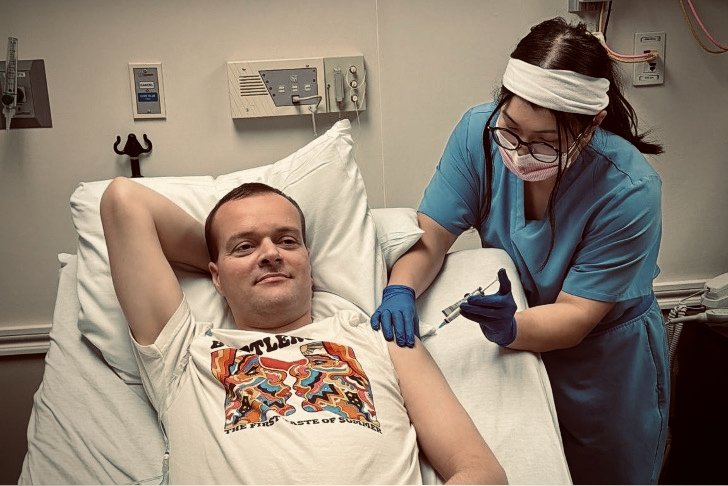
When Sid Sijbrandij (founder of GitLab) faced a recurrence of his rare bone cancer after standard of care was exhausted, he assembled a team and pursued a more intensive approach: running every available diagnostic, pursuing personalized treatments and multiple strategies in parallel, and measuring what was working in real time. The results were striking, including significant tumor response that enabled surgical removal.
Sid's story is one data point. What worked for him may not work for every patient, and we are still learning what generalizes. Future of Cancer Care Today, incubated by Sid's foundation, aspires to make the path beyond standard of care reachable for more families.
We would welcome a conversation.
If our work could be useful to you or your community, please reach out. There is no cost to patients or families for our help.
If you are facing complexity in your care.
Whether you are newly diagnosed, facing progression, or trying to figure out what comes next, we may be able to help you think more clearly about the path ahead.
If your work could complement ours.
If you are working in diagnostics, therapeutics, personalized medicine, or health technology, and believe patients need better support navigating complexity, let's talk about how our work could complement yours.
A note on our role.
Future of Cancer Care Today is not a medical provider. We do not diagnose, prescribe, or direct treatment. We provide a non-clinical support layer focused on information, education, and decision support, intended to complement your relationship with your care team. Some materials may be generated with the support of artificial intelligence and should be reviewed with your medical providers before informing any care decisions. All decisions regarding your care belong to you and your doctor.
Poornima Parameswaran, Ph.D.
Poornima is a scientist and entrepreneur whose work has focused on bridging the gap between scientific discovery and real-world impact. At Stanford University, she developed technology that increased scale and cut DNA sequencing costs by 50x, and taught the first course on the applications of genomics. She cofounded a genomics and AI company when her twins were one year old and led it from inception through acquisition. She was also diagnosed with multiple myeloma, which gave her a perspective on the healthcare system that no amount of scientific training could, and taught her firsthand what it takes to advocate for your own care when the system is not built to help you do that. Her work spans both for-profit and non-profit sectors; today she chairs the Strategy and Innovation Committee of the International Myeloma Foundation. She draws on her experiences as a scientist, entrepreneur, diagnosed patient, and parent, to inform and guide this work.
LinkedIn Profile →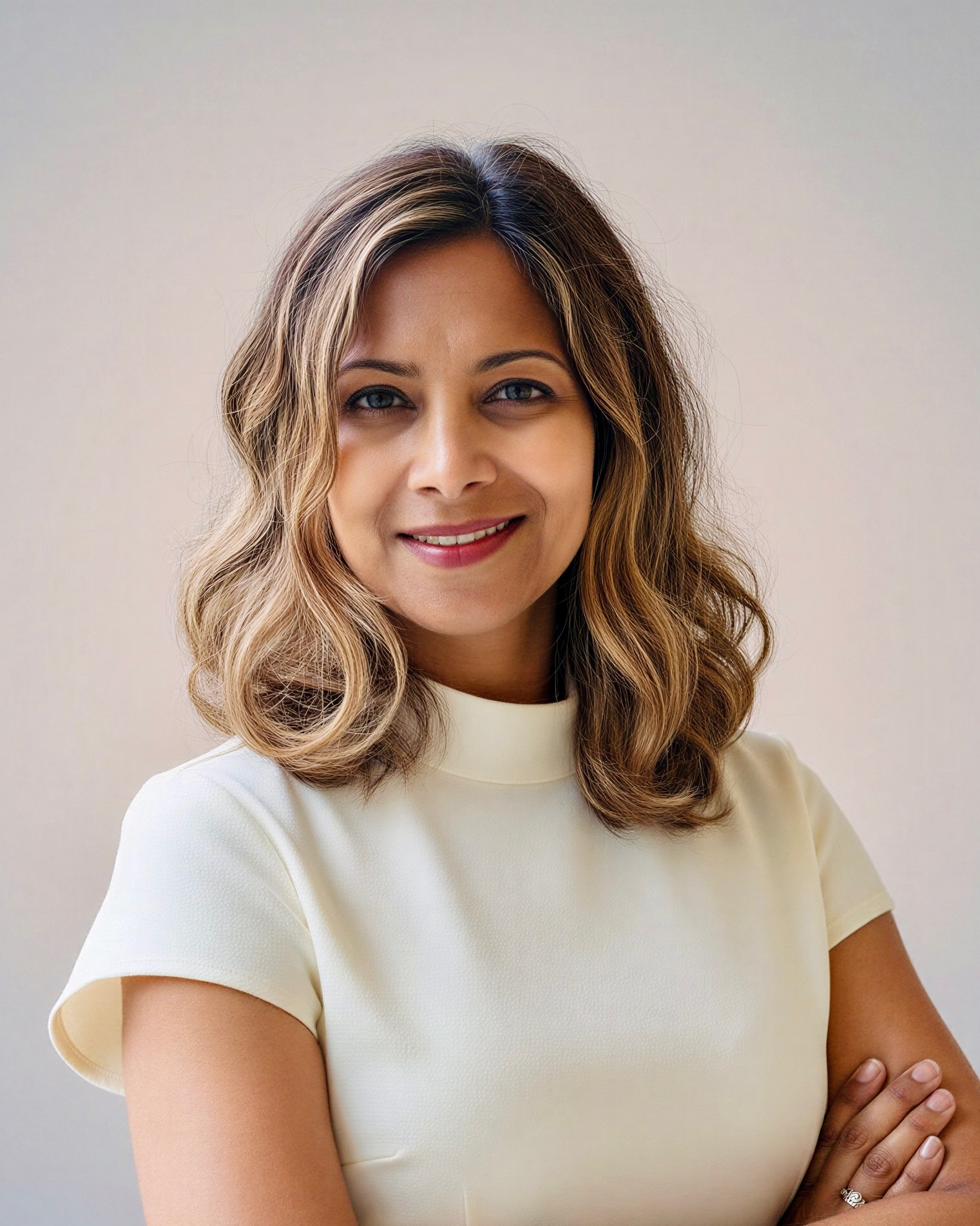
Bayli DiVita Dean, Ph.D.
Bayli is a scientist and science communicator dedicated to improving the lives of those diagnosed with cancer. She developed her expertise in cancer immunotherapy research at the University of Florida and in translating complex scientific findings into accessible language during her time at the American Brain Tumor Association. Bayli was also a fellow at the National Institutes of Health, Office of the Director, through the American Association for the Advancement of Science Science and Technology Policy Fellowship, where she addressed policy needs related to incorporating the public into clinical research and bioethical issues. Inspired by her mother’s diagnosis with metastatic colon cancer, she now applies her caregiving, scientific, and communication expertise to provide information and compassion to clients of FCCT.
LinkedIn Profile →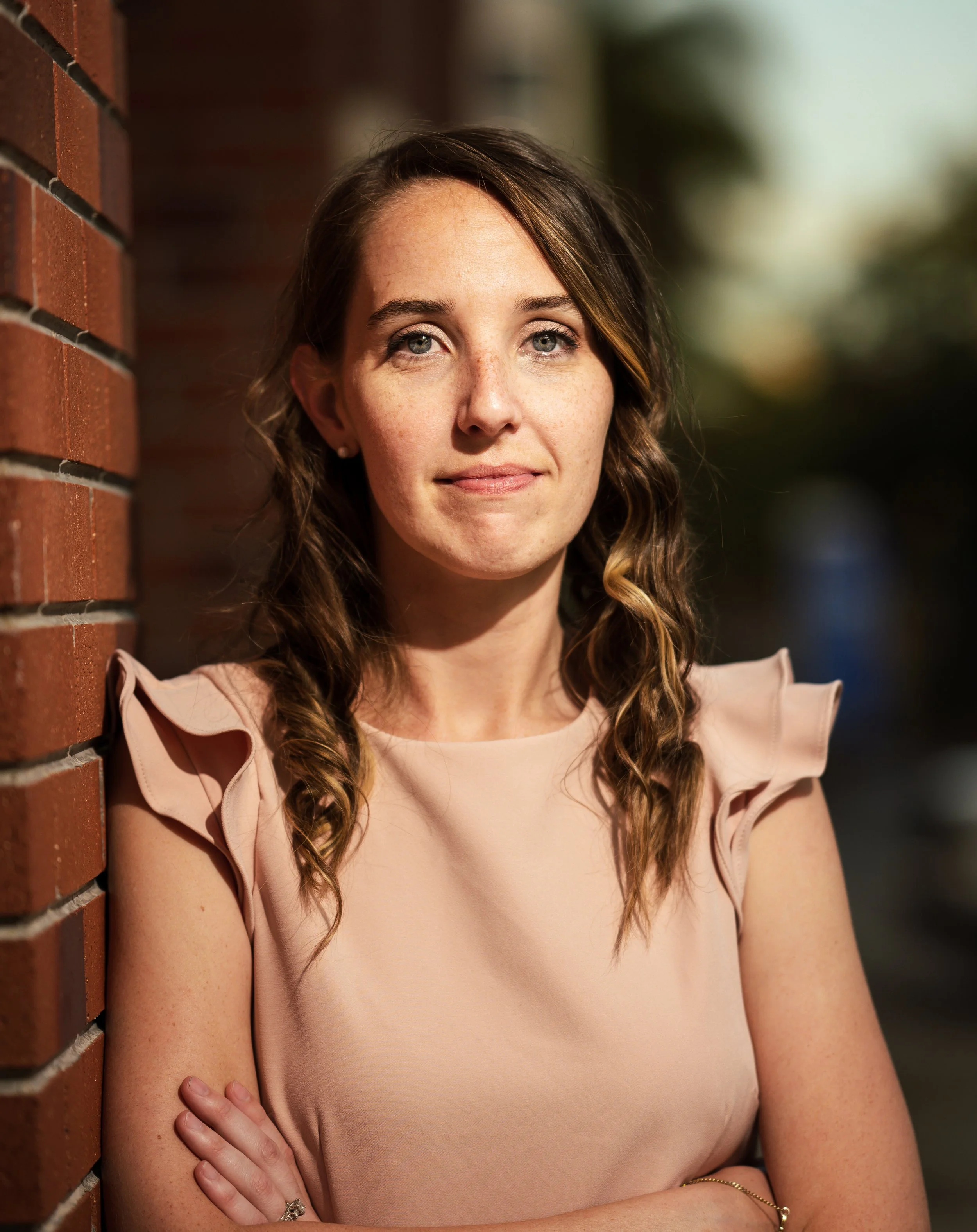
Future of Cancer Care Today is incubated by the Sijbrandij Foundation.